
Pet Health Checkup: The Essential Guide Every Owner Needs to Know
Your furry companion greets you at the door with unbridled enthusiasm, their tail wagging like a metronome set to pure joy. But beneath that adorable exterior lies a complex biological system that requires regular maintenance—much like the engine of a finely tuned car. A pet health checkup isn’t just a box to tick on your veterinary to-do list; it’s one of the most proactive investments you can make in your pet’s longevity and quality of life.
The truth is, pets are masters of hiding discomfort. They won’t complain about that slight limp or tell you their teeth are aching. By the time symptoms become obvious to us humans, many conditions have already progressed considerably. This is precisely why regular veterinary checkups serve as your early warning system—catching potential issues before they become serious problems.
Whether you’re a first-time pet parent or a seasoned animal lover, understanding what happens during a pet health checkup and why it matters can transform how you approach your pet’s wellness journey. Let’s dive into everything you need to know.
Why Regular Pet Health Checkups Matter
Think of your veterinarian as your pet’s personal health detective. During a checkup, they’re not just performing routine tasks—they’re conducting a comprehensive investigation into your pet’s physical and behavioral health. Early detection of conditions like diabetes, kidney disease, arthritis, and cancer can literally add years to your pet’s life and significantly improve their comfort.
The statistics speak volumes. Pets that receive regular veterinary care experience fewer emergency situations, have better overall health outcomes, and often live longer, more vibrant lives. A study published by the American Veterinary Medical Association found that preventive care reduces the likelihood of serious health complications by up to 25% in domestic pets.
Beyond the physical examination, regular checkups establish a baseline for your pet’s health. Your vet documents their weight, behavior, energy levels, and any subtle changes that might indicate an emerging issue. This continuity of care is invaluable—your veterinarian becomes familiar with your pet’s unique quirks and normal patterns, making deviations stand out like a sore thumb.
How Often Should Your Pet Visit the Vet?
The frequency of pet health checkups depends on several factors, including age, breed, health status, and lifestyle. Here’s a practical breakdown:
- Young, healthy pets (1-7 years): Annual checkups are typically sufficient for most dogs and cats in good health. This gives your vet a chance to monitor their development and catch any emerging issues early.
- Senior pets (7+ years): As pets age, their health needs become more complex. Vets recommend twice-yearly checkups for seniors, as age-related conditions can develop rapidly.
- Puppies and kittens: Young animals require more frequent visits—typically every 3-4 weeks until they’re fully vaccinated and dewormed, usually around 16 weeks of age.
- Pets with chronic conditions: Those managing diabetes, heart disease, or other ongoing health issues may need quarterly or even monthly visits.
- Breed-specific predispositions: Certain breeds are prone to specific health issues. Large dogs might need more frequent joint assessments, while flat-faced breeds require respiratory monitoring.
Your veterinarian will provide personalized recommendations based on your individual pet’s needs. Don’t hesitate to ask about the ideal schedule for your companion.
” alt=”Veterinarian examining a pet during health checkup” />
What to Expect During a Pet Health Checkup
Walking into a veterinary clinic can feel intimidating if you’re unsure what’s about to happen. Let’s demystify the process so you and your pet can approach it with confidence.
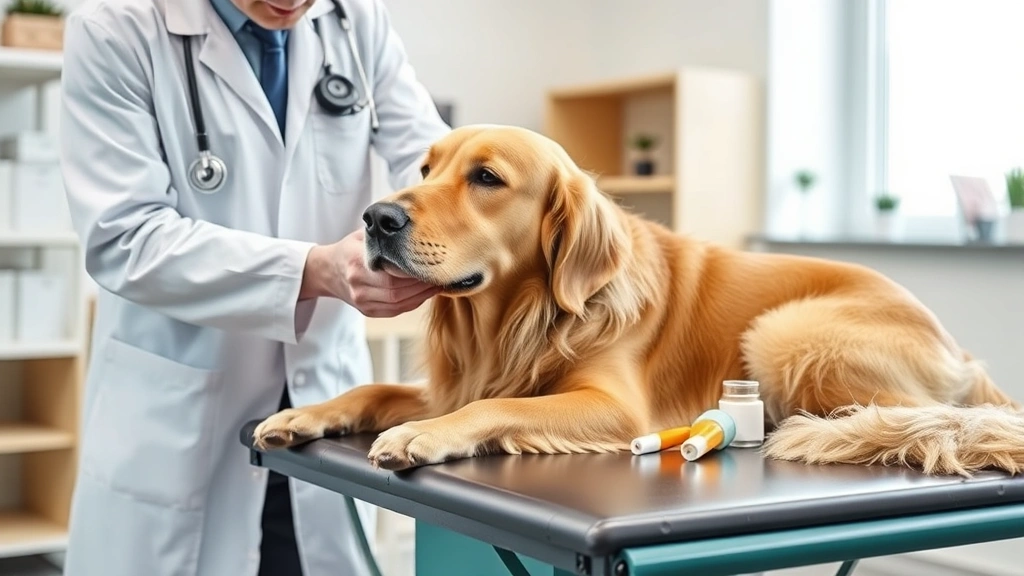
The Physical Examination: Your vet will systematically assess your pet from nose to tail. They’ll check their eyes for clarity and signs of infection, examine their ears for debris or inflammation, and inspect their teeth and gums for dental disease. The mouth is particularly telling—dental problems often indicate systemic health issues.
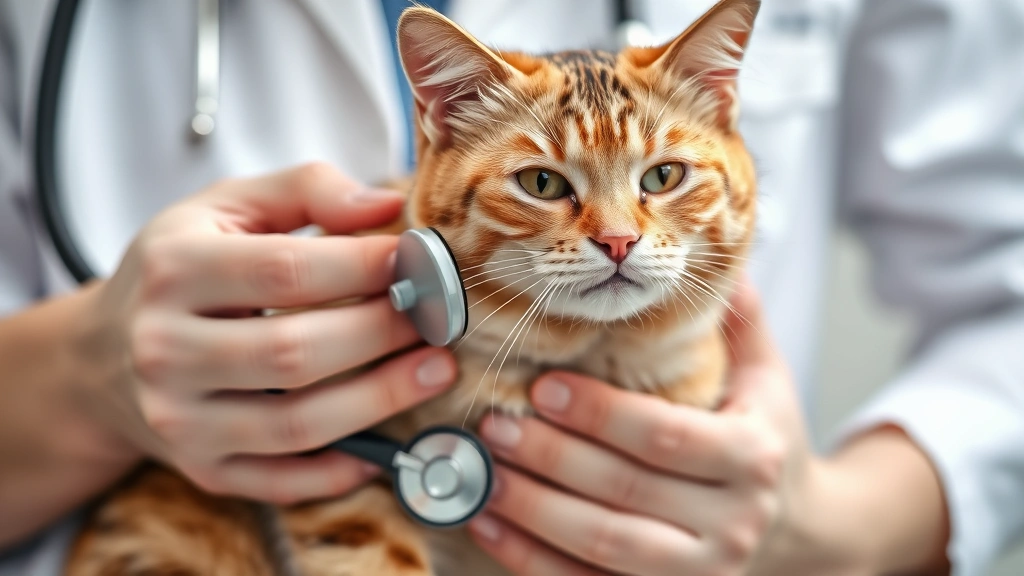
They’ll palpate (feel) your pet’s abdomen to check for lumps, masses, or organ abnormalities. They’ll listen to the heart and lungs with a stethoscope, assessing for irregular rhythms or respiratory issues. They’ll also evaluate your pet’s joints and limbs for signs of arthritis or injury, especially important if your pet has been less active than usual.
Weight and Vital Signs: Your pet will be weighed and measured. Weight fluctuations—whether gain or loss—can signal underlying problems. Vital signs including temperature, heart rate, and respiratory rate are recorded. These baseline measurements become reference points for future visits.
Behavioral Assessment: Your vet will observe your pet’s gait, posture, and overall demeanor. They’re looking for signs of pain, anxiety, or neurological issues. They’ll ask you about behavior changes at home—increased aggression, decreased appetite, litter box issues, or sleep pattern changes.
Discussion About Lifestyle: This is your time to be honest. Talk about your pet’s diet, exercise routine, any behavioral concerns, and changes you’ve noticed. Your vet might ask about proper hydration habits and whether your pet has adequate access to fresh water throughout the day.
Laboratory Tests: Depending on age and health status, your vet might recommend bloodwork, urinalysis, or fecal tests. These tests detect issues invisible to the naked eye—infections, organ dysfunction, parasites, and metabolic disorders.

” alt=”Pet owner and veterinarian discussing health results” />
Nutrition and Diet: Fueling Your Pet’s Health
You are what you eat—and the same applies to your pets. Nutrition forms the foundation of health, yet it’s an area where many pet owners inadvertently miss the mark. During your pet health checkup, your vet will assess your current feeding strategy and make recommendations.
Quality matters immensely. Many commercial pet foods contain fillers, artificial preservatives, and inadequate protein levels. Your veterinarian can recommend brands that meet nutritional standards. If you’re interested in premium options, quality nutrition brands like Health Extension focus on whole-food ingredients and balanced nutrition profiles. Similarly, 4 Health dog food offers nutritionally complete formulations designed with your pet’s wellness in mind.
The right diet supports healthy weight management, maintains coat quality, promotes digestive health, and provides energy for daily activities. Your vet can help determine appropriate portion sizes based on your pet’s age, activity level, and health status. Overfeeding is rampant in pet ownership and contributes to obesity, which triggers numerous health complications.
Consider discussing your pet’s water intake during checkups. Just as proper hydration is crucial for human health, pets require consistent access to clean water. Dehydration can lead to kidney issues and urinary tract problems.
Preventive Care and Vaccinations
Vaccinations represent one of veterinary medicine’s greatest triumphs. They’ve virtually eliminated diseases that once devastated pet populations. During a pet health checkup, your vet will review your pet’s vaccination status and recommend boosters as needed.
Core Vaccines (Recommended for All Pets):
- Dogs: Rabies, DHPP (distemper, hepatitis, parvovirus, parainfluenza)
- Cats: Rabies, FVRCP (feline viral rhinotracheitis, calicivirus, panleukopenia)
Non-Core Vaccines (Based on Lifestyle and Risk):
- Dogs: Bordetella, Lyme disease, leptospirosis
- Cats: Feline leukemia, feline immunodeficiency virus
Beyond vaccinations, preventive care includes parasite control. Fleas, ticks, and internal parasites aren’t just uncomfortable—they transmit diseases and can cause serious health complications. Your vet will recommend appropriate prevention strategies based on your geographic location and your pet’s lifestyle.
Dental care deserves special attention. Professional cleanings remove tartar and plaque that brushing alone cannot address. Untreated dental disease leads to tooth loss, pain, and bacterial infections that can affect the heart and kidneys. Ask your vet about at-home dental care strategies to complement professional cleanings.
Home Monitoring Between Checkups
Your pet health checkup happens once or twice yearly, but your vigilance continues daily. Becoming attuned to your pet’s normal patterns helps you spot changes quickly.
What to Monitor:
- Appetite and Water Intake: Sudden changes in eating or drinking can indicate illness. A pet refusing meals or drinking excessively warrants veterinary attention.
- Bathroom Habits: Changes in frequency, consistency, or urgency of urination or defecation often signal problems. Straining, accidents indoors, or diarrhea shouldn’t be ignored.
- Energy and Activity: Your normally playful pup lounging all day or your active cat becoming a couch potato suggests something’s amiss. Lethargy is your pet’s way of communicating discomfort.
- Coat and Skin: A dull coat, excessive scratching, hair loss, or skin lesions warrant investigation. These often indicate allergies, parasites, or nutritional deficiencies.
- Mobility and Gait: Limping, stiffness, reluctance to jump, or difficulty climbing stairs suggest joint problems or pain. This is particularly important to address early—proper movement and posture are as important for pets as they are for humans.
- Behavioral Changes: Aggression, anxiety, confusion, or personality shifts can indicate pain or neurological issues. Don’t dismiss behavioral changes as mere moodiness.
Keep a simple log of these observations. When you arrive for your pet health checkup, you’ll have concrete information to share with your vet rather than vague impressions.
Special Considerations for Senior Pets
Senior pets—generally those over 7 years old—enter a different phase of life requiring adjusted healthcare strategies. Their bodies age, their organs become less efficient, and they become susceptible to age-related conditions.
Why Senior Pets Need More Frequent Checkups: Conditions like arthritis, kidney disease, diabetes, and cancer develop more rapidly in aging pets. Twice-yearly checkups allow your vet to catch these issues early enough to manage them effectively and maintain quality of life.
Managing Stress in Your Senior Pet: Aging pets experience increased stress and anxiety. While you might think stress management is primarily a human concern, it’s equally relevant for aging animals. Create a calm environment, maintain consistent routines, and provide comfortable resting spaces. If your own stress levels are high, remember that pets absorb our emotional states—your calm demeanor directly benefits your senior companion.
Adjusting Activity and Diet: Senior pets typically need fewer calories due to decreased metabolism, but they require higher-quality nutrition to maintain muscle mass. They benefit from softer foods if dental issues develop. Gentle exercise becomes more important than strenuous activity—short walks and low-impact play maintain mobility without overwhelming aging joints.
Pain Management: Arthritis and other age-related conditions cause chronic pain. Your vet can recommend pain management strategies, from supplements like glucosamine and omega-3 fatty acids to prescribed medications. Physical therapy and massage can also provide relief.
The goal with senior pets isn’t just extending life—it’s maintaining comfort and dignity throughout their golden years. Regular checkups ensure you’re making informed decisions about their care.
Frequently Asked Questions
How much does a typical pet health checkup cost?
Costs vary significantly based on geographic location, your veterinary clinic’s experience level, and whether additional tests are recommended. A basic wellness exam typically ranges from $50 to $250. Bloodwork, urinalysis, or imaging can add $100-$500+. Ask your vet about pricing upfront and inquire about wellness packages that bundle multiple services at discounted rates. Many clinics offer preventive care plans that spread costs throughout the year.
Should I fast my pet before a checkup?
Unless your vet specifically requests fasting for laboratory tests, your pet can eat normally before a routine checkup. If bloodwork is planned, your vet will advise you whether fasting is necessary. Some tests require fasting to provide accurate results, while others don’t. Call ahead to confirm.
What should I bring to a pet health checkup?
Bring your pet’s vaccination records, any medical history documentation, a list of current medications or supplements, and your insurance information if applicable. Bring any medications your pet is currently taking, and consider bringing a written list of questions or behavioral observations you’ve noticed since the last visit. Having this information organized makes the appointment more productive.
Can I prepare my pet for a checkup to reduce anxiety?
Absolutely. Familiarize your pet with the carrier or travel method beforehand. Take short practice trips in the car without going to the vet. Arrive early to let your pet acclimate to the clinic environment. Bring a favorite toy or blanket for comfort. Stay calm yourself—pets pick up on our anxiety. Some vets offer calming treats or pheromone sprays; ask about these options if your pet is particularly anxious.
What’s the difference between a wellness exam and a sick visit?
A wellness exam is a preventive checkup for a healthy pet, focusing on early detection and health maintenance. A sick visit addresses specific symptoms or health concerns. Sick visits may require additional diagnostics and typically cost more. Wellness exams are generally more thorough in assessing overall health, while sick visits focus on the presenting problem.
How often should indoor-only pets have checkups?
Indoor-only pets still require regular checkups at the same frequency as outdoor pets. While they face fewer environmental risks, they’re still susceptible to diseases, dental problems, obesity, and age-related conditions. Indoor pets may benefit from slightly different preventive strategies than outdoor pets, but regular monitoring remains essential.
What should I do if I can’t afford a pet health checkup?
Financial constraints shouldn’t prevent you from seeking veterinary care. Many clinics offer payment plans or discounted wellness packages. Some areas have low-cost veterinary clinics. Ask your vet about options—many are willing to work with you. Pet insurance can help manage costs over time. Prioritizing preventive care is actually more cost-effective than treating emergencies later.
Can I do a pet health checkup at home?
While home monitoring is valuable and complementary, it cannot replace a professional veterinary examination. Your vet has training, experience, and diagnostic tools you don’t possess. They can detect subtle signs invisible to the untrained eye and perform tests that reveal internal issues. Home monitoring helps you stay attuned to your pet, but professional checkups remain irreplaceable.
Regular pet health checkups represent an investment in your companion’s future. They’re not an expense—they’re insurance against preventable suffering and premature loss. Your veterinarian is your partner in keeping your pet healthy, happy, and thriving for years to come. Schedule that appointment today, and give your pet the gift of proactive, comprehensive care.