

Remote Behavioral Health Jobs: Insider Tips & Tricks for Landing Your Dream Role
The mental health crisis has created unprecedented demand for behavioral health professionals, and the shift toward telehealth has opened doors that were previously closed. If you’re considering a career in remote behavioral health jobs, you’re entering one of the fastest-growing sectors in healthcare. Whether you’re a licensed therapist, counselor, psychiatrist, or peer support specialist, working from home in this field offers flexibility, meaningful impact, and competitive compensation—but success requires strategy, preparation, and insider knowledge.
Remote behavioral health positions have evolved from a niche offering to a mainstream employment model. Companies like BetterHelp, Talkspace, and traditional healthcare systems now employ thousands of mental health professionals working entirely from home. This shift isn’t temporary; it represents a fundamental transformation in how mental health services are delivered. The barrier to entry has lowered, yet competition has intensified, making it essential to understand the landscape before you apply.
This comprehensive guide reveals insider strategies, common pitfalls, and proven tactics to help you secure, excel in, and advance within remote behavioral health jobs. We’ll cover everything from identifying legitimate opportunities to negotiating benefits packages that reflect your worth.
Understanding the Remote Behavioral Health Landscape
Before diving into applications, you need to understand the market dynamics shaping remote behavioral health employment. The telehealth industry experienced explosive growth during the pandemic, with some platforms reporting 40-fold increases in usage. This expansion created immediate hiring needs, but it also attracted predatory companies and poorly-structured organizations.
The legitimate remote behavioral health market divides into several segments: direct-to-consumer platforms (where clients book sessions independently), employer-sponsored programs (where companies provide mental health benefits to employees), insurance-based networks (where you contract with insurance providers), and hybrid models combining multiple revenue streams. Each segment offers different compensation structures, client demographics, and work environments.
Understanding your target segment helps you focus your job search. If you prefer consistent schedules and steady income, employer-sponsored programs and insurance networks offer predictability. If you value autonomy and flexible scheduling, direct-to-consumer platforms provide freedom but with variable income. Most successful remote behavioral health professionals work across multiple segments simultaneously, diversifying their income and client base.
Market research indicates that behavioral health professionals with specialized certifications (trauma-informed care, addiction counseling, child psychology) command premium rates. Additionally, professionals willing to work evening and weekend hours—when most clients need services—enjoy faster hiring and higher compensation. Your positioning within these niches significantly impacts your earning potential and job availability.
Types of Remote Behavioral Health Positions Available
Remote behavioral health employment spans far broader territory than traditional therapy. Understanding the full range of positions helps you identify roles matching your credentials, interests, and lifestyle preferences.
Teletherapy and Counseling Roles represent the most common remote behavioral health positions. Licensed therapists, licensed professional counselors (LPCs), and clinical social workers (LCSWs) provide individual, couples, family, and group therapy via video platforms. These positions typically require state licensure and range from part-time contractor roles to full-time employment with comprehensive benefits.
Psychiatric Services increasingly operate remotely, with psychiatrists and psychiatric nurse practitioners conducting medication management appointments via video. These roles often command higher compensation due to licensure requirements and medical liability considerations. Some telehealth platforms specialize exclusively in psychiatric services, creating dedicated employment pipelines.
Peer Support and Coaching Roles require lived experience with mental health challenges rather than formal clinical licensure. Peer specialists, recovery coaches, and wellness coaches work remotely for insurance companies, nonprofits, and corporate wellness programs. These positions offer entry points into behavioral health without advanced degrees, though many professionals combine peer credentials with formal training.
Crisis counseling and hotline positions operate 24/7, requiring shift-based remote work. These roles, often with nonprofits and government agencies, appeal to professionals seeking predictable schedules and mission-driven work. Compensation varies widely, but many include comprehensive benefits packages.
Clinical Supervision and Training Roles allow experienced professionals to oversee junior clinicians, develop training curricula, and lead quality assurance initiatives—all remotely. These positions combine clinical expertise with administrative responsibilities, appealing to professionals seeking career advancement without leaving direct client work entirely.
Specialty Positions in areas like eating disorder treatment, PTSD/trauma work, addiction counseling, and child behavioral health command premium compensation and faster hiring timelines. If you hold certifications or specialized training, highlighting these credentials accelerates your job search significantly.
Explore health and wellness jobs to understand the broader employment landscape and how behavioral health fits within it.
Finding Legitimate Remote Behavioral Health Job Opportunities
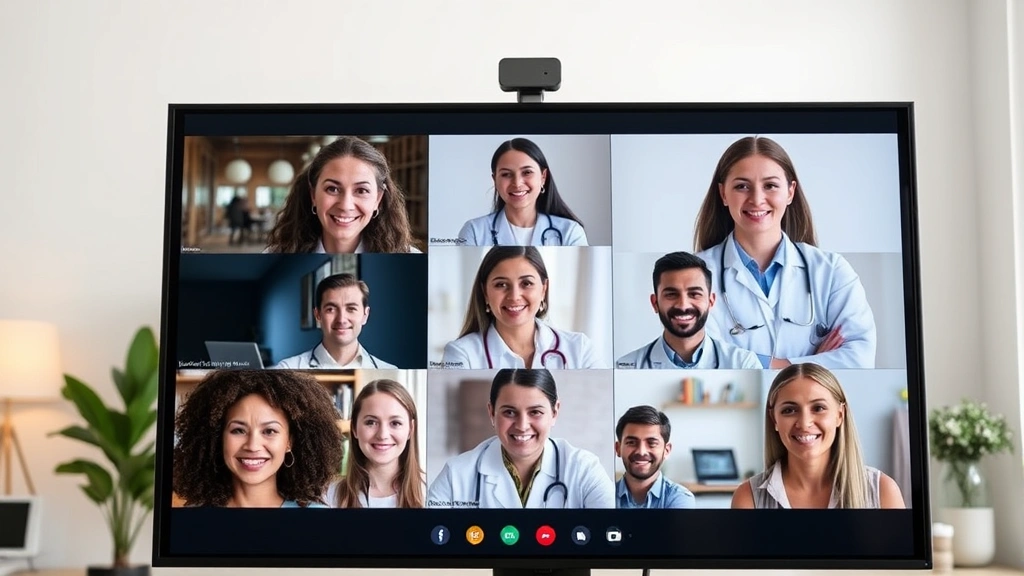
The remote behavioral health job market attracts legitimate employers and fraudulent operators in equal measure. Identifying genuine opportunities requires research, skepticism, and strategic sourcing.
Established Telehealth Platforms offer the most straightforward entry points. BetterHelp, Talkspace, MDLive, and Teladoc employ thousands of remote clinicians. These platforms offer instant credibility, established client bases, and streamlined onboarding. However, they’re also highly competitive and often offer lower per-session rates than direct-to-consumer practice. Apply early in your job search to build experience and reviews.
Healthcare System Telehealth Departments represent increasingly attractive options. Major hospital systems and health insurance companies now operate robust telehealth behavioral health programs, offering W2 employment with benefits, liability insurance, and professional development. These positions require proactive outreach, as they’re not always advertised publicly. Contact the telehealth departments of healthcare systems in your state directly.
Corporate Employee Assistance Programs (EAPs) contract with behavioral health professionals to serve corporate employees. Companies like ComPsych, Magellan, and Optum manage these programs and continuously recruit clinicians. EAP work offers predictable hours, reasonable caseloads, and benefits for W2 positions.
Specialty Job Boards and LinkedIn should be your daily destinations. Specifically, search Indeed, LinkedIn Jobs, and Psychology Today’s therapist directory using filters for remote work and your state’s licensure. Set up job alerts for “remote behavioral health,” “telehealth therapist,” “virtual counselor,” and related terms. LinkedIn’s advanced search functionality allows you to find recruiters specializing in healthcare staffing—connect with them directly.
Professional Association Job Boards operated by the American Psychological Association, National Association of Social Workers, and American Counseling Association post vetted opportunities. These boards typically feature higher-quality positions because members pay to post jobs, filtering out low-effort operators.
Staffing Agencies Specializing in Healthcare maintain relationships with multiple employers and can match you with positions before they’re publicly advertised. Agencies like Fastaff, Medical Solutions, and Coyle staffing place behavioral health professionals in remote roles. Working with multiple agencies increases your visibility without additional effort.
Red Flags and Vetting Strategies protect you from predatory or unstable employers. Be suspicious of positions offering unusually high compensation without corresponding requirements, employers unable to clearly explain their business model, companies requesting upfront fees, and organizations lacking professional websites or verifiable contact information. Verify employer legitimacy by checking state business registrations, reading employee reviews on Glassdoor and Indeed, and calling their main number to confirm the position exists.
The Remedy Health approach to vetting opportunities applies directly to behavioral health positions—prioritize organizations transparent about operations, compensation, and expectations.
Crafting a Winning Application Strategy
Your application materials determine whether you advance to interviews. In competitive remote behavioral health markets, strategic positioning separates successful applicants from those rejected in initial screenings.
Resume Optimization for Behavioral Health Roles requires emphasizing relevant credentials, client populations, and clinical specialties. Rather than listing employment chronologically, organize your resume by competency: clinical skills, specialized certifications, populations served, and technical proficiencies. Highlight specific therapeutic modalities (CBT, DBT, ACT, psychodynamic therapy) and any specialized training. Include your state licensure status prominently—employers quickly screen for this requirement.
Quantify your experience wherever possible. Instead of “provided therapy to diverse populations,” write “delivered evidence-based cognitive behavioral therapy to 40+ clients monthly, achieving 85% treatment goal attainment and 92% client satisfaction ratings.” Numbers demonstrate impact and provide concrete evidence of your capability.
Address the remote work question directly in your resume. Include a “Remote Competencies” section highlighting your experience with telehealth platforms, virtual communication skills, documentation in electronic health records (EHRs), and time management in unsupervised environments. If you’ve worked remotely previously, emphasize it.
Cover Letters That Convert move beyond generic statements to demonstrate understanding of the specific organization and role. Research the company’s mission, client population, and values. Reference their specific programs or initiatives in your letter. Show enthusiasm for their approach while articulating how your skills specifically address their needs.
Address potential concerns preemptively. If you’re transitioning from in-person to remote work, explain your motivation and preparation. If you’re new to a particular client population, highlight relevant training or transferable skills. Employers appreciate candidates who acknowledge challenges and demonstrate solutions.
Keep cover letters to 3-4 paragraphs maximum. Use specific language from the job description and reflect their terminology back to them. This approach demonstrates attention to detail and alignment with their organizational culture.
Portfolio Development strengthens applications for positions requiring specialized skills. Develop brief case studies (maintaining confidentiality) demonstrating your approach to common clinical scenarios. Create a professional website showcasing your credentials, clinical philosophy, and areas of expertise. If you’ve published articles or presented at conferences, include links. These materials differentiate you from competitors and provide evidence of expertise beyond credentials.
Setting Up Your Home Office for Remote Behavioral Health Work

Technical infrastructure determines your success in remote behavioral health roles. Inadequate setup leads to dropped calls, security breaches, and professional reputation damage. Proper preparation prevents these costly mistakes.
Technology Requirements begin with reliable internet. Behavioral health roles demand uninterrupted video conferencing—dropped calls damage client relationships and violate documentation standards. Invest in dual internet sources: primary broadband plus mobile hotspot as backup. Test your setup using your employer’s video platform before your first client session.
A quality laptop or desktop computer with a built-in or external camera and microphone is essential. Webcams and microphones specifically designed for video conferencing (Logitech, Blue Yeti) dramatically improve audio and video quality compared to integrated computer components. Employers and clients notice the difference immediately.
Secure your devices with updated antivirus software, firewalls, and password managers. Behavioral health work involves protected health information (PHI); security breaches carry legal liability and professional consequences. Use VPNs when connecting to employer systems, particularly on public WiFi. Implement two-factor authentication for all clinical platforms and electronic health records access.
Physical Space Considerations balance professionalism with comfort. Designate a dedicated office space with a door you can close—client confidentiality requires privacy from household members, pets, and background noise. Paint walls neutral colors, minimize visible personal items, and ensure professional lighting from the front (not backlighting). Clients notice whether you’re on your bed, in your kitchen, or in a dedicated office; professionalism matters.
Invest in acoustic treatment if background noise is problematic. Foam panels, thick curtains, and rugs absorb sound. If you live in a noisy environment, quality noise-canceling headphones become essential.
Documentation and Compliance Setup requires understanding your employer’s requirements. Some platforms provide EHR access through secure web portals; others require specific software installations. Understand your employer’s policies regarding:
- Where clinical notes must be stored
- Which devices can access client information
- Recording and consent requirements for sessions
- Backup procedures for documentation
- Data retention policies
Set up a filing system—both digital and physical—for maintaining organized records. Even with electronic systems, some documentation may require physical copies. Organize your workspace to support efficient documentation without visible clutter during video sessions.
Nailing the Remote Behavioral Health Interview
The interview process for remote behavioral health positions typically involves multiple stages: initial screening calls, competency-based interviews, and often a mock session or case presentation. Each stage requires specific preparation.
Initial Screening Call Preparation happens within hours of application submission. Recruiters use these brief calls to verify credentials, assess communication skills, and determine basic fit. Prepare by:
- Having your license number, expiration date, and any certifications readily available
- Clarifying your availability for training and client sessions
- Preparing a concise 30-second explanation of why you’re pursuing remote behavioral health work
- Asking informed questions about the role, client population, and compensation structure
Sound professional, enthusiastic, and prepared. Recruiters recommend candidates to hiring managers based largely on first impressions from these calls.
Competency-Based Interviews assess your clinical skills, ethical reasoning, and cultural fit. Prepare for questions like:
- “Describe a challenging client situation and how you handled it” (demonstrates clinical judgment)
- “How do you approach building therapeutic alliance remotely?” (reveals understanding of telehealth-specific dynamics)
- “Tell us about your experience with [specific population]” (assesses specialized expertise)
- “How do you manage work-life balance in remote roles?” (evaluates sustainability)
Use the STAR method (Situation, Task, Action, Result) to structure responses. Provide specific, measurable examples rather than theoretical answers. Employers value clinicians who demonstrate self-awareness about their limitations and commitment to ongoing learning.
Mock Session or Case Presentation requirements appear in advanced interview rounds. Some employers ask you to conduct a 15-20 minute mock therapy session with an interviewer playing a client. Others request you present your approach to a specific clinical scenario. Preparation includes:
- Reviewing the employer’s clinical philosophy and therapeutic modalities
- Practicing your opening statements and session structure
- Preparing questions that demonstrate active listening and clinical curiosity
- Articulating your treatment approach and expected outcomes
Remember that mock sessions assess your clinical style and ability to work within the organization’s framework, not perfection. Interviewers expect authenticity, flexibility, and demonstrated competence.
Technical Proficiency Assessment often occurs during interviews. Arrive 10 minutes early to your video interview to test your technology. Ensure your background is professional, lighting is adequate, and you’re at eye level with your camera. These details signal respect for the interviewer and attention to client-facing professionalism.
Negotiation Tactics That Work in Remote Behavioral Health
Many behavioral health professionals underestimate their negotiating power, accepting first offers without discussion. Strategic negotiation increases your compensation and benefits significantly, often by 15-25% or more.
Understanding Compensation Structures helps you negotiate effectively. Remote behavioral health positions typically offer:
- Per-session rates (contractor positions): $40-$120 per session depending on credentials, specialization, and platform
- Hourly rates (W2 positions): $25-$50+ per hour for direct client care plus non-billable administrative time
- Salary positions (rare): $50,000-$120,000+ annually depending on role scope and seniority
- Hybrid models: Base salary plus productivity bonuses or incentive structures
Research compensation for your specific credentials, specialization, and geographic market using Glassdoor, Indeed, Psychology Today’s therapist directory, and professional salary surveys. Enter negotiations with data supporting your requested rate.
Negotiation Leverage Points extend beyond base compensation. Consider negotiating:
- Caseload size and client acuity (lower caseloads for complex cases)
- Scheduling flexibility and guaranteed hours
- Benefits packages (health insurance, retirement contributions, continuing education allowances)
- Paid time off for contractors
- Liability insurance coverage
- Technology stipends for home office equipment
- Supervision and professional development opportunities
- Sign-on bonuses for immediate availability
Employers expect negotiation in professional roles. Reasonable requests communicated professionally strengthen your candidacy rather than damaging it. Frame negotiations around value creation: “I can begin seeing clients immediately with no ramp-up period, justifying a premium rate.”
Negotiation Script Example: “Thank you for the offer of $65 per session. Given my 10 years of clinical experience, specialty certification in trauma-informed care, and availability for evening sessions—your highest-demand time slots—I’d like to propose $85 per session. I’m confident this investment will result in excellent client outcomes and retention.”
This approach acknowledges the offer, provides specific justification, and proposes a concrete counter-offer. It’s professional, data-driven, and demonstrates confidence in your value.
Strategies for Long-Term Success in Remote Behavioral Health
Landing a remote behavioral health position is just the beginning. Thriving in these roles requires intentional strategy, professional development, and sustainable practices.
Building Your Reputation Early accelerates advancement and opportunities. In your first 90 days:
- Exceed performance metrics consistently
- Respond to emails and documentation requests promptly
- Demonstrate reliability through perfect attendance
- Seek client feedback and implement suggestions
- Ask clarifying questions rather than guessing
Early reputation building compounds over time. Managers remember clinicians who went above expectations during probation periods and assign them premium clients, flexible scheduling, and advancement opportunities.
Continuous Professional Development maintains competence and increases your market value. Pursue:
- Specialized certifications in high-demand areas (trauma, addiction, couples therapy)
- Advanced training in evidence-based modalities
- Supervision or mentoring credentials
- Leadership and management training
Many remote employers offer continuing education allowances or reimbursement. Use these benefits strategically to develop expertise in specializations commanding higher compensation.
Diversifying Your Income protects against platform changes, contract terminations, and market shifts. Most successful remote behavioral health professionals work across multiple platforms simultaneously:
- Maintain a primary W2 or stable contractor position for base income
- Add 1-2 telehealth platforms for flexible additional income
- Develop private practice (if licensed and permitted by employment contracts)
- Consider adjacent revenue streams (consulting, training, content creation)
Diversification requires careful attention to non-compete clauses and conflict-of-interest policies, but it’s essential for financial security and career resilience.
Managing Remote Work Challenges prevents burnout and maintains professional effectiveness. Remote behavioral health work uniquely challenges clinicians:
- Isolation: Schedule virtual peer consultation groups, attend conferences, and maintain professional relationships
- Boundary blurring: Establish firm work hours, physical workspace boundaries, and transition rituals (changing clothes, short walks between sessions)
- Technology fatigue: Build non-screen breaks between sessions, use phone sessions occasionally, and maintain physical activity
- Secondary trauma: Prioritize clinical supervision, peer consultation, and personal therapy
Sustainability in remote behavioral health requires proactive self-care and professional support. Organizations serious about clinician wellbeing offer supervision, peer consultation, and wellness resources—prioritize these in your employer selection.
Understanding quality behavioral health standards helps you maintain excellence in remote work environments where oversight differs from traditional settings.
Frequently Asked Questions About Remote Behavioral Health Jobs
Do I need to be licensed to work in remote behavioral health?
Licensure requirements vary by position type and state. Direct therapy and counseling roles require state licensure as an LCSW, LPC, psychologist, or psychiatrist. Peer support, coaching, and crisis counseling roles often don’t require licensure but may require specific certifications. Always verify your state’s requirements before applying. Some positions allow unlicensed individuals under supervision, which can be a pathway to eventual licensure.
How much can I earn in remote behavioral health positions?
Compensation ranges dramatically: peer support specialists earn $25,000-$35,000 annually; licensed counselors earn $40,000-$70,000; therapists and clinical social workers earn $50,000-$90,000; and psychiatrists earn $150,000-$250,000+. Contractor positions typically pay $40-$120 per session. Your earnings depend on credentials, specialization, experience, and whether you work W2 employment or contract roles. Specialized certifications and willingness to work evenings/weekends significantly increase earning potential.
What are the biggest challenges of remote behavioral health work?
Common challenges include technology failures disrupting sessions, difficulty building therapeutic alliance via video, isolation from colleagues, blurred work-life boundaries, and difficulty assessing safety concerns without in-person presence. Secondary trauma and burnout risk remains significant. Success requires addressing these challenges proactively through adequate technology, professional support systems, and sustainable work practices.
Can I work multiple remote behavioral health positions simultaneously?
Yes, many professionals do—but carefully. Always review non-compete clauses and conflict-of-interest policies. Most employers permit secondary work if there’s no direct competition. Many clinicians maintain a primary W2 position plus 1-2 contractor roles with telehealth platforms. Ensure you can manage multiple schedules without compromising client care or documentation quality. Transparency with employers prevents legal and ethical complications.
How do I transition from in-person to remote behavioral health work?
Start by gaining telehealth experience while maintaining in-person practice, if possible. Take online training in telehealth-specific competencies (HIPAA compliance, virtual rapport-building, technology troubleshooting). Practice using video platforms before your first client session. Seek positions with robust training and onboarding. Many organizations offer 2-4 weeks of training before you see clients independently. Use this period to build confidence and competence.
What technology do employers typically provide versus require me to have?
Employers typically provide or subsidize the video conferencing platform and electronic health records access. They usually require you to provide your own computer, internet connection, and private workspace. Many offer technology stipends ($500-$2,000) to help with home office setup. Always clarify technology expectations during interviews—some employers have strict requirements about specific equipment or software.
How does telehealth impact client outcomes compared to in-person therapy?
Research indicates that outcomes are comparable between telehealth and in-person therapy for most conditions, with some exceptions. Certain presentations (severe psychosis, acute suicidality, complex trauma requiring grounding techniques) may benefit from in-person care. Telehealth works particularly well for anxiety, depression, PTSD, and many other common conditions. Client preference, accessibility, and therapeutic alliance matter more than modality. Your clinical judgment about appropriate cases remains essential.
What certifications increase my earning potential in remote behavioral health?
High-value specializations include trauma-informed care (trauma certification), addiction counseling (CADC or similar), dialectical behavior therapy (DBT), cognitive behavioral therapy (CBT), couples therapy (AAMFT), and child/adolescent specialization. These certifications command 20-40% premium compensation due to higher demand and specialization. Pursue certifications aligned with your interests and market demand in your geographic area.
How do I maintain confidentiality and security working from home?
Implement multiple security layers: use VPNs for accessing employer systems, enable two-factor authentication on all accounts, use password managers, keep devices updated with security patches, use encrypted messaging for client communication, and ensure your workspace has a closable door for privacy. Understand your employer’s HIPAA compliance requirements and exceed them. Consider cyber liability insurance for additional protection.
What should I look for in an employer or platform?
Prioritize employers offering: competitive compensation, clear expectations and communication, adequate training and onboarding, clinical supervision or peer consultation, manageable caseloads, reasonable administrative burden, flexibility for work-life balance, professional development support, and transparent business practices. Check employee reviews on Glassdoor and Indeed. Interview the employer as thoroughly as they interview you. Your long-term satisfaction and career growth depend on organizational culture and support systems.
Explore Life Haven Daily Blog for additional insights on building a fulfilling career in behavioral health and wellness.
For comprehensive information on broader wellness careers, review our guide on Radiant Health Sauna and wellness industry trends to understand how behavioral health connects to holistic wellbeing.
Final Thoughts: Your Remote Behavioral Health Career Awaits
Remote behavioral health positions represent one of the most accessible and rewarding career paths in modern healthcare. The combination of flexibility, meaningful work, and competitive compensation creates genuine opportunity for clinicians at all career stages. Success requires strategic job searching, professional positioning, strong negotiation skills, and commitment to ongoing excellence.
The professionals thriving in remote behavioral health positions aren’t necessarily the most talented clinicians—they’re the most strategic and intentional about their careers. They research markets thoroughly, position themselves distinctly, negotiate confidently, and commit to continuous improvement. They also recognize that sustainable remote work requires attention to wellbeing, professional support, and work-life boundaries.
Your remote behavioral health career begins with a single strategic application, but it flourishes through consistent excellence, professional development, and intentional relationship-building. Use the insider strategies in this guide to navigate the landscape confidently, land positions aligned with your values, and build a sustainable, fulfilling career serving clients who desperately need your expertise.
The demand for behavioral health services continues accelerating. The question isn’t whether remote behavioral health jobs exist—they absolutely do. The question is whether you’ll position yourself strategically to capture the best opportunities available. Your preparation, positioning, and persistence determine your answer.