

Senior Whole Health: Vital Tips for Aging Gracefully
Aging is a natural journey that deserves celebration, not dread. As we enter our senior years, the concept of senior whole health becomes increasingly important—it’s not just about living longer, but living better. Whole health encompasses physical vitality, mental clarity, emotional resilience, and spiritual fulfillment, creating a holistic approach to wellness that transforms how we experience our golden years.
The beauty of prioritizing senior whole health is that it’s never too late to start. Whether you’re in your sixties, seventies, eighties, or beyond, intentional lifestyle choices can dramatically improve your quality of life, independence, and overall happiness. This comprehensive guide explores evidence-based strategies that empower seniors to thrive across all dimensions of wellness.
Aging gracefully isn’t about defying age—it’s about embracing it with strength, vitality, and purpose. Let’s explore the vital foundations that make this possible.
Physical Vitality and Movement
Movement is medicine for aging bodies. Senior whole health begins with recognizing that physical activity isn’t optional—it’s essential. Regular movement strengthens muscles, improves balance, enhances cardiovascular health, and maintains the independence that defines quality of life in our later years.
The key is finding activities you genuinely enjoy. This might include walking, swimming, yoga, tai chi, dancing, or gardening. The Centers for Disease Control recommends that older adults engage in at least 150 minutes of moderate-intensity aerobic activity weekly, combined with muscle-strengthening activities twice per week. However, the best exercise is the one you’ll actually do consistently.
- Walking: Accessible, free, and remarkably effective. Start with 20-30 minutes daily and gradually increase duration and intensity.
- Swimming and water aerobics: Low-impact options that reduce joint stress while building strength and endurance.
- Strength training: Preserves muscle mass, bone density, and functional ability. Light weights or resistance bands work wonderfully.
- Flexibility work: Stretching and yoga maintain range of motion and prevent injury.
- Balance exercises: Crucial for fall prevention—a significant health concern for seniors.
Consider joining community fitness classes designed for older adults. The social aspect adds another layer of benefit. If mobility challenges exist, work with a physical therapist to develop personalized routines that accommodate your needs while maximizing capability.

Nourishing Your Body Right
What you eat directly impacts how you age. Senior whole health requires intentional nutritional choices that support bone health, brain function, heart health, and overall energy levels. Nutritional needs shift with age, and understanding these changes empowers better choices.
Protein becomes increasingly important for maintaining muscle mass and preventing sarcopenia (age-related muscle loss). Aim for 1.0 to 1.2 grams of protein per kilogram of body weight daily. This might include fish, poultry, eggs, legumes, dairy, and plant-based proteins.
Calcium and vitamin D work synergistically to maintain bone density and reduce osteoporosis risk. Fatty fish like salmon, fortified dairy products, leafy greens, and safe sun exposure all contribute to adequate levels. Many seniors benefit from supplementation—consult your healthcare provider about your individual needs.
Omega-3 fatty acids support heart and brain health. Include sources like fatty fish, walnuts, flaxseeds, and chia seeds regularly. Antioxidant-rich foods—berries, dark leafy greens, colorful vegetables—combat inflammation and support cognitive function.
Hydration is often overlooked but critically important. Thirst sensation diminishes with age, yet dehydration risk increases. Aim for adequate fluid intake throughout the day, primarily water, and monitor urine color as a hydration indicator.
Consider consulting a registered dietitian who specializes in senior nutrition. They can assess your individual needs, medications, and preferences to create a personalized eating plan that supports your Life Haven Daily Blog approach to wellness.
Mental Wellness and Cognitive Health
The mind-body connection becomes more profound as we age. Senior whole health absolutely includes mental and cognitive vitality. Depression, anxiety, and cognitive decline aren’t inevitable parts of aging—they’re often preventable or manageable with proper attention.
Cognitive engagement keeps minds sharp. Engage in mentally stimulating activities: reading, puzzles, learning new skills, creative pursuits, or educational classes. Research from institutions like the National Institute on Aging demonstrates that cognitively active seniors maintain better mental function longer.
Understanding essential mental health awareness facts helps normalize conversations about emotional wellbeing. Many seniors experience depression or anxiety but don’t seek help due to stigma. Professional mental health support—therapy, counseling, or psychiatric care—is legitimate healthcare and profoundly improves quality of life.
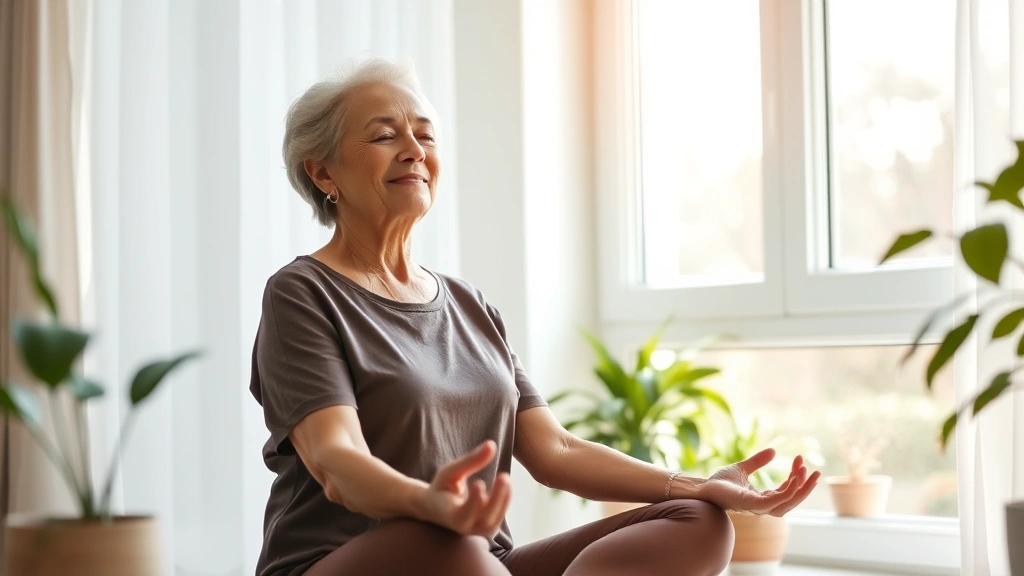
Mindfulness and meditation practices reduce stress, anxiety, and depression while improving emotional regulation. Even 10-15 minutes daily of focused breathing or guided meditation creates measurable benefits. Apps like Calm or Insight Timer offer senior-friendly options.
Purpose and meaning significantly impact mental health. Volunteer work, mentoring younger generations, creative projects, or spiritual practices provide profound sense of purpose. Seniors who feel their lives matter experience better mental health outcomes and even increased longevity.
For specific strategies on managing daily stress, explore ways to reduce stress with effective strategies tailored to your lifestyle. Additionally, the mental health awareness ribbon movement highlights the importance of open conversation about psychological wellness at every life stage.
Sleep Quality and Rest
Quality sleep becomes more elusive with age, yet it’s absolutely essential for senior whole health. Sleep consolidates memories, supports immune function, regulates hormones, and enables cellular repair. Chronic sleep deprivation increases risk of cognitive decline, heart disease, and depression.
Seniors often experience changes: lighter sleep, more nighttime awakenings, or earlier wake times. These are common but not inevitable, and numerous strategies improve sleep quality.
Discover comprehensive approaches through our guide on how to improve sleep hygiene. Key principles include maintaining consistent sleep schedules, creating cool dark bedroom environments, limiting screen time before bed, and being mindful of caffeine and alcohol consumption.
Physical activity promotes better sleep, though exercise timing matters—earlier in the day works better than evening. Relaxation techniques like progressive muscle relaxation or gentle yoga before bed prepare your body for rest.
If sleep problems persist despite good sleep hygiene, consult your healthcare provider. Sleep disorders like sleep apnea are common in seniors but often undiagnosed. Treatment can be transformative. Temporary melatonin supplementation might help, though this should be discussed with your doctor.
Emotional and Social Connection
Humans are fundamentally social creatures, and isolation devastates health. Senior whole health requires meaningful relationships and community engagement. Research consistently shows that socially connected seniors experience better physical health, mental health, cognitive function, and even longer lifespans.
Yet many seniors face increased isolation due to retirement, relocation, loss of loved ones, or mobility limitations. Intentionally building connection becomes a health priority.
- Family relationships: Regular contact with family members—calls, visits, video chats—maintains crucial bonds and provides emotional support.
- Friendships: Nurture existing friendships and actively build new ones through clubs, classes, faith communities, or volunteer work.
- Community involvement: Volunteer work provides purpose, social connection, and contribution. Many organizations specifically seek senior volunteers.
- Intergenerational connection: Mentoring younger people or spending time with grandchildren creates meaning and joy while sharing wisdom.
- Group activities: Book clubs, hobby groups, exercise classes, or travel groups combine social engagement with shared interests.
If you’re exploring health and wellness jobs, consider roles that combine income with social engagement and purpose—part-time wellness coaching, community health education, or mentoring positions can be incredibly fulfilling.
Technology enables connection across distances. Video calls with distant family, online classes, or social media groups help maintain relationships despite geographical barriers.
Preventive Care and Health Monitoring
Proactive healthcare is foundational to senior whole health. Regular screenings catch problems early when treatment is most effective. This includes blood pressure monitoring, cholesterol checks, cancer screenings, bone density assessment, and vision and hearing evaluations.
Medication management becomes increasingly important as we age. Many seniors take multiple medications—understanding each one’s purpose, side effects, and interactions prevents dangerous complications. Regular medication reviews with your pharmacist or doctor identify unnecessary medications or problematic interactions.
Preventive measures like vaccinations protect against serious illnesses. Flu, pneumonia, shingles, and COVID-19 vaccines are particularly important for older adults. Discuss vaccination recommendations with your healthcare provider.
Fall prevention deserves specific attention. Falls are leading causes of injury-related death in seniors. Home safety modifications, strength and balance training, vision correction, medication review, and appropriate footwear all reduce fall risk significantly.
Building a healthcare team—primary care physician, specialists, dentist, eye doctor, mental health provider—creates comprehensive support. Regular communication between providers ensures coordinated, effective care.
Frequently Asked Questions
What’s the best time to start focusing on senior whole health?
Now. Regardless of your current age or health status, improvements made today create benefits immediately and for years ahead. It’s never too late to increase physical activity, improve nutrition, strengthen relationships, or prioritize mental health. The best time to plant a tree was 20 years ago; the second-best time is today.
How can I stay motivated with exercise routines?
Find activities you genuinely enjoy, exercise with friends or groups for accountability and social benefit, set realistic goals, track progress, and vary activities to prevent boredom. Consider working with a trainer initially to build confidence and proper form. Celebrate small victories—consistency matters more than intensity.
What if I have chronic health conditions?
Senior whole health is achievable with chronic conditions through proper management. Work with healthcare providers to optimize condition management, adapt activities to your capabilities, and focus on what you can do rather than limitations. Many conditions improve with appropriate exercise, nutrition, stress management, and social engagement.
How do I address social isolation?
Start small: reach out to one person this week. Explore community activities aligned with your interests. Volunteer for causes you care about. Join classes or groups. Use technology to maintain long-distance relationships. Consider pet ownership for companionship. If depression accompanies isolation, seek professional mental health support—it’s legitimate healthcare that transforms lives.
Are supplements necessary for senior health?
Some supplements benefit many seniors—vitamin D, omega-3s, and calcium are common recommendations. However, supplements aren’t replacements for whole foods, and some interact with medications. Consult your healthcare provider or registered dietitian about your individual needs rather than self-prescribing.
How often should I have health screenings?
Frequency depends on your age, health history, and risk factors. Generally, seniors benefit from annual wellness visits, blood pressure checks, cholesterol screening every 4-6 years (more frequently if abnormal), colorectal cancer screening through age 75, and other age and risk-appropriate screenings. Your doctor provides personalized recommendations.
External Resources for Senior Wellness: