

Vital Health Ring: Is It Worth the Investment?
Smart rings have quietly revolutionized how we track our health, and the Vital health ring sits right at the intersection of cutting-edge technology and practical wellness monitoring. But here’s the real question: does it deserve a spot on your finger and a dent in your wallet? If you’re considering dropping a few hundred dollars on a wearable device, you’ll want to understand exactly what you’re getting into before making the leap.
The promise is compelling—continuous health monitoring that fits in your pocket, or rather, on your hand. Unlike bulkier smartwatches that demand daily charging and constant notifications, the Vital health ring operates quietly in the background, tracking everything from heart rate variability to sleep quality. But promises and reality don’t always align, especially in the wellness tech space where marketing often outpaces actual utility.
Let’s dig into whether this sleek piece of technology genuinely transforms your health journey or simply adds another connected device to your growing tech graveyard.
What Is the Vital Health Ring?
The Vital health ring is a wearable device that monitors your physiological metrics through advanced sensors embedded in a sleek, minimalist ring design. Unlike traditional fitness trackers that announce their presence with screens and straps, this ring operates with elegant subtlety—no charging dock, no constant notifications, just seamless tracking.
At its core, the device uses optical sensors to measure heart rate, heart rate variability, and blood oxygen levels. It also incorporates accelerometers to detect movement and sleep patterns. The magic happens through machine learning algorithms that analyze this data to provide personalized health insights and predictive analytics about your overall wellness trajectory.
What makes the Vital health ring particularly interesting is its approach to battery management. Rather than demanding daily charging sessions like most smartwatches, this ring boasts a multi-day battery life, making it genuinely convenient for people who value simplicity over constant connectivity.
Key Features and Capabilities
The Vital health ring brings several compelling features to the table, each designed to give you a comprehensive picture of your health without requiring constant attention.
Heart Rate and Heart Rate Variability Monitoring: This ring continuously tracks your resting heart rate and measures heart rate variability (HRV), a metric that reflects your nervous system’s balance between stress and recovery. Understanding your HRV can help you recognize when you’re pushing too hard or when your body needs rest. This data becomes particularly valuable when combined with strategies to manage stress at work, allowing you to see how workplace tension physically impacts your physiology.
Sleep Tracking: The ring monitors sleep duration and quality, breaking down your sleep into different stages. This granular insight helps you understand whether you’re getting restorative deep sleep or spending too much time in lighter stages. If you’re struggling with sleep quality, the ring’s data can guide your efforts to implement sleep hygiene improvements.
Activity and Exercise Tracking: With built-in accelerometers, the Vital health ring tracks daily movement, workouts, and overall activity levels. It recognizes different types of exercise and provides calorie burn estimates. This feature pairs well with structured fitness routines, making it easier to monitor progress with home workout routines.
Recovery Insights: The ring analyzes your physiological data to generate recovery scores, indicating how well your body has recovered from previous exertion. This helps you make smarter decisions about workout intensity on any given day.
Readiness Scores: Each morning, the ring generates a readiness score based on sleep quality, HRV, and resting heart rate. This score helps you understand whether you’re physically prepared for intense exercise or should dial back your training.

Tracking Accuracy and Performance
Here’s where things get interesting—and sometimes frustrating. The Vital health ring’s accuracy is generally solid for heart rate monitoring, with studies showing correlation to medical-grade devices in controlled settings. However, real-world accuracy depends heavily on proper fit and placement.
The optical sensors require consistent contact with your skin, and any movement or gaps between the ring and your finger can introduce measurement errors. Cold hands, poor circulation, or tattoos near the sensor area can also affect readings. Heart rate variability measurements are reasonably accurate, though they’re more useful for tracking trends than individual data points.
Sleep tracking is where you’ll notice the most potential discrepancies. The ring estimates sleep based on movement and heart rate patterns, but it can’t distinguish between lying still while awake and actually sleeping. Some users report the ring underestimates sleep duration or misses brief awakenings. That said, the relative consistency makes it useful for identifying sleep trends rather than expecting perfect accuracy.
Activity tracking performs adequately for structured exercise but struggles with certain activities—particularly swimming (the ring is water-resistant but not designed for submersion) and activities that don’t involve significant arm movement. For traditional cardio and strength training, expect reasonably accurate data that correlates well with other fitness trackers.
Battery Life and Durability
One of the Vital health ring’s genuine advantages is its battery performance. Most users report 3-7 days of battery life per charge, depending on activity level and how frequently you sync data. This is substantially better than smartwatches that typically need daily charging.
The charging process is straightforward—a small magnetic charging dock connects to the ring for approximately 30-60 minutes. While convenient, it’s worth noting that you’ll need to remember to charge the ring roughly weekly, and forgetting the charging dock while traveling could be problematic.
Durability is generally solid. The ring uses premium materials designed to withstand daily wear, and the water-resistant rating makes it suitable for showers and hand washing. However, the optical sensors are sensitive components, and dropping the ring or subjecting it to significant impact could compromise functionality. Some users report durability concerns after extended wear, particularly with the sensor area.
App Experience and Data Insights
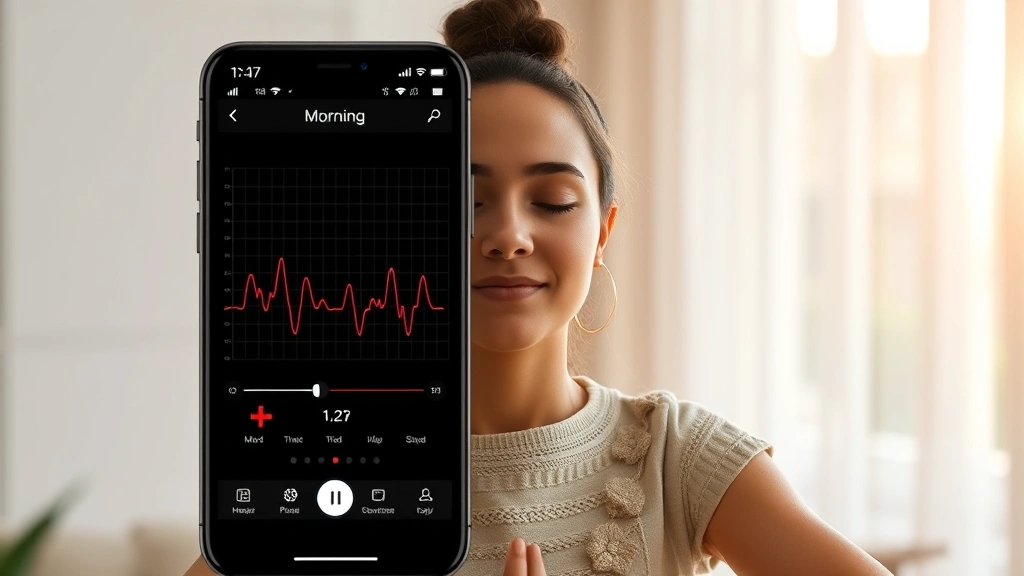
The companion app is where the Vital health ring transforms raw data into actionable insights. The interface is clean and intuitive, presenting your metrics in digestible formats. Daily, weekly, and monthly views help you spot patterns and understand your health trajectory.
The app provides context for your metrics—explaining what your HRV means, why recovery matters, and how your readiness score connects to your training goals. This educational component is valuable because raw numbers mean little without interpretation.
Integration with other health apps and platforms varies. The ring works with popular fitness apps like Strava and Apple Health, allowing you to consolidate your health data in one ecosystem. However, if you’re using less mainstream health platforms, integration options might be limited.
One notable feature is the trend analysis that identifies patterns in your data. The app can show you how factors like hydration and water consumption correlate with your heart rate variability and recovery scores. This connection between daily habits and physiological responses is genuinely insightful.
The app also provides personalized recommendations based on your data patterns. If the ring detects consistently poor sleep quality, it might suggest reviewing your sleep habits and quality improvements. These recommendations feel personalized rather than generic.
Cost Analysis: Is It Worth It?
The Vital health ring typically costs between $300-$400, with an optional subscription service running $10-$15 monthly for premium features and advanced analytics. Before deciding whether this investment makes sense, let’s break down the value proposition.
What You’re Actually Buying: You’re investing in continuous health monitoring without the bulk and charging requirements of traditional smartwatches. You’re gaining insights into metrics like HRV and recovery that casual fitness trackers don’t provide. You’re getting a device that integrates into your daily life without demanding constant attention.
Who Should Invest: If you’re seriously focused on optimizing your health and fitness, regularly monitoring your training response, or managing a chronic condition that benefits from heart rate monitoring, the investment becomes more justifiable. Athletes, health-conscious professionals, and people recovering from health issues often find genuine value.
Who Should Hesitate: If you simply want to count steps and track workouts, a $100-$150 fitness tracker does the job adequately. If you rarely check health data or prefer not having another device to manage, the Vital health ring might collect dust on your nightstand.
The Subscription Question: The premium subscription unlocks advanced analytics and detailed insights. For casual users, the free tier provides sufficient information. For optimization-focused individuals, the premium features justify the monthly cost.
The real value emerges when you actually use the data. A $400 device that provides actionable insights you implement is worth far more than a $100 device that you ignore. Consider whether you genuinely use health data to make decisions before committing.
Comparing Alternatives
The Vital health ring isn’t your only option for comprehensive health monitoring. Understanding how it stacks against alternatives helps contextualize whether it’s the right choice for you.
Apple Watch: The Apple Watch offers more features, including ECG functionality, blood oxygen monitoring, and cellular connectivity. However, it demands daily charging and costs more. If you’re in the Apple ecosystem and want comprehensive health data, the Watch might be superior. The Vital ring wins on battery life and minimalist design.
Oura Ring: Oura is the Vital ring’s closest competitor, offering similar metrics with slightly different algorithms. Oura has been on the market longer and has more research backing its methodology. The choice between them often comes down to personal preference and which app interface you prefer.
Fitbit and Garmin: These companies offer excellent fitness tracking at various price points. They provide solid activity monitoring but generally lack the advanced HRV and recovery insights that the Vital ring emphasizes. They’re better for fitness enthusiasts who want basic metrics; the Vital ring is better for health optimization.
Whoop Band: Whoop specializes in HRV and recovery metrics, similar to the Vital ring’s focus. However, Whoop is a subscription-first model with higher ongoing costs. The Vital ring wins on upfront cost if you don’t need professional coaching.
Real-World Usage Scenarios
Scenario 1: The Fitness Enthusiast Marcus trains five days weekly and wants to optimize his workout intensity based on recovery. The Vital health ring’s daily readiness score helps him decide whether to push hard or dial back intensity. Over three months, he notices that his HRV consistently drops after high-stress work weeks, informing his approach to balancing professional and training demands. The $400 investment pays dividends through smarter training decisions.
Scenario 2: The Health-Conscious Professional Sarah works in a demanding job and struggles with sleep quality. She implements better posture practices and uses the ring’s sleep data to track improvement. The ring shows that her sleep quality improved 15% after adjusting her evening routine, providing tangible evidence that changes work. For her, the investment validates lifestyle modifications.
Scenario 3: The Casual User Tom buys the Vital ring expecting it to motivate him to exercise more. After two months, he rarely checks the app and finds the metrics overwhelming. The ring sits unused, and the $400 becomes a regretted purchase. This scenario highlights that the device’s value depends entirely on user engagement.
Scenario 4: The Recovery-Focused Individual After suffering a cardiac event, Jennifer uses the Vital ring to monitor her heart rate patterns and discuss trends with her cardiologist. The continuous data provides medical professionals with valuable information about her recovery. In this context, the investment is justified by genuine health management needs.
Frequently Asked Questions
How accurate is the Vital health ring compared to medical devices?
The ring provides reasonably accurate heart rate monitoring and HRV measurements that correlate well with medical-grade devices in controlled conditions. However, it’s not medical-grade itself and shouldn’t replace professional medical monitoring for diagnosed conditions. The accuracy is sufficient for fitness tracking and trend analysis but not for clinical diagnostics.
Can I wear the Vital health ring while swimming?
The ring is water-resistant and can handle showers and hand washing. However, it’s not designed for prolonged water exposure like swimming or diving. The optical sensors can malfunction if submerged, so you should remove it before swimming.
How long does the battery actually last in real-world use?
Most users report 3-7 days of battery life, with the variation depending on activity level, how frequently you sync data, and environmental factors. Heavier users might see 3-4 days, while lighter users might stretch it to a week.
Is the subscription necessary?
The free tier provides solid core features including sleep tracking, activity monitoring, and daily readiness scores. The premium subscription ($10-15/month) unlocks advanced analytics and detailed insights. It’s not strictly necessary, but optimization-focused users often find it worthwhile.
Can I use the Vital health ring if I have tattoos?
Tattoos near the optical sensor can reduce accuracy, particularly dark tattoos that absorb light. Many users with tattoos report acceptable accuracy, but some experience issues. If you have significant finger tattoos, test the ring’s accuracy before committing to the purchase.
How does the Vital ring compare to the Oura ring?
Both rings are excellent, offering similar core metrics with slightly different algorithms and app interfaces. Oura has been on the market longer with more research backing. The Vital ring often has better integration with popular fitness apps. The choice often comes down to personal preference and which app you prefer using daily.
What happens if I lose or damage my ring?
Replacement rings typically cost $150-$200. The company offers accidental damage protection plans in some regions. Ensure you understand the warranty and protection options before purchasing.
Can the ring detect irregular heartbeats or arrhythmias?
The Vital health ring can detect significant heart rate anomalies through its continuous monitoring, but it’s not designed for clinical arrhythmia detection like medical-grade ECG devices. If you have concerns about heart rhythm, consult a healthcare provider rather than relying solely on the ring’s data.
How does temperature affect the ring’s performance?
Extreme cold can temporarily reduce accuracy by affecting circulation and sensor responsiveness. Normal temperature variations don’t significantly impact performance, but if you’re in very cold environments, expect potential measurement inconsistencies.
Is the Vital health ring covered by insurance?
Generally, no. Consumer wearables like the Vital health ring aren’t covered by insurance plans. However, if you’re using it for legitimate health management reasons, it may be tax-deductible as a medical expense—consult a tax professional for your specific situation.