
Top Vitamins for Eye Health: An Expert Guide
Your eyes are constantly working, absorbing light, processing visual information, and helping you navigate the world. Yet most of us take them for granted until something goes wrong. The truth is, maintaining optimal eye health doesn’t require expensive treatments or complicated routines—it starts with understanding the right vitamins for eye health and making intentional dietary choices.
Whether you’re spending eight hours a day staring at screens, concerned about age-related vision decline, or simply want to protect your eyesight for decades to come, the nutrients you consume play a surprisingly powerful role. This guide breaks down the science behind vision-supporting vitamins, explains which ones matter most, and shows you exactly how to incorporate them into your daily life.
The fascinating part? Many of these eye-protecting nutrients work synergistically—they’re more effective together than alone. Understanding this interconnected system is key to building a truly comprehensive approach to visual wellness.
Lutein and Zeaxanthin: The Macular Powerhouses
If you’re going to remember two nutrients for eye health, make it lutein and zeaxanthin. These carotenoids are the heavy hitters when it comes to protecting your central vision—the part of your sight you rely on for reading, recognizing faces, and driving.
Here’s what makes them special: these pigments actually accumulate in the macula, the central part of your retina responsible for sharp, detailed vision. They act as a natural sunscreen, filtering out harmful blue light and neutralizing free radicals before they can damage sensitive eye tissues. Think of them as your eyes’ personal bodyguards.
Research published by the National Eye Institute has shown that adequate lutein and zeaxanthin intake is associated with a significantly lower risk of age-related macular degeneration (AMD)—one of the leading causes of vision loss in older adults. The AREDS2 study, a landmark clinical trial, demonstrated that these nutrients, along with other antioxidants, can slow the progression of AMD in people at high risk.
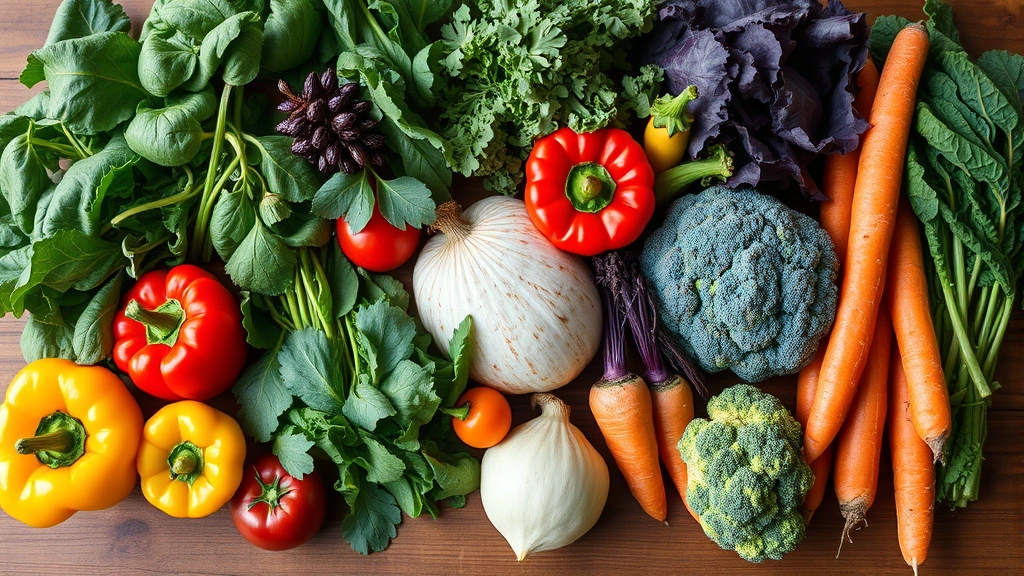
The best sources? Leafy greens are absolutely loaded with both compounds. Spinach, kale, and collard greens contain some of the highest concentrations of lutein and zeaxanthin available. A single serving of cooked spinach provides more lutein than most people consume in an entire week. Broccoli, Brussels sprouts, and peas also deliver meaningful amounts.
If you’re exploring how to optimize your overall wellness, considering a plant-based diet benefits approach can naturally increase your lutein intake significantly.
Vitamin C: Antioxidant Defense
Vitamin C isn’t just for fighting colds—this powerful antioxidant is absolutely critical for eye health. Your eyes are constantly exposed to oxidative stress from UV radiation, blue light, and environmental pollutants. Without adequate antioxidant protection, this stress accumulates over time, accelerating age-related vision decline.
Vitamin C works by neutralizing free radicals before they can damage the delicate structures of your eye, particularly the lens and retina. Studies indicate that people with higher vitamin C intake have significantly lower risks of developing cataracts—clouding of the lens that affects millions of people annually.
The challenge? Your eyes can’t store vitamin C, so you need consistent daily intake. The recommended daily allowance is 75-90 mg for adults, but research suggests that higher intakes (around 500 mg daily) may provide additional eye protection benefits.
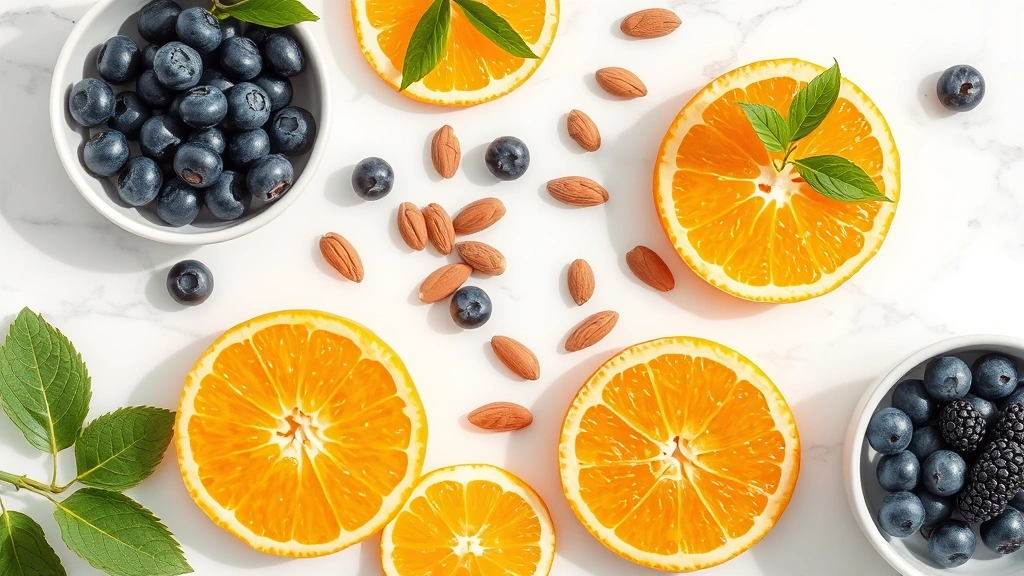
Excellent sources include citrus fruits, berries, bell peppers, and kiwis. Interestingly, red and orange bell peppers actually contain more vitamin C per serving than oranges, making them a particularly efficient choice. Strawberries, papaya, and cantaloupe are also exceptional sources that work wonderfully in smoothies or eaten fresh.
According to research from Mayo Clinic, the combination of vitamin C with other antioxidants like vitamin E and zinc creates a synergistic protective effect that’s greater than any single nutrient alone.
Vitamin E: Cellular Protection
Vitamin E is a fat-soluble antioxidant that protects the cell membranes throughout your eye from oxidative damage. Unlike vitamin C, your body can store vitamin E, but that doesn’t mean you should be careless about intake. Many people don’t consume enough of this critical nutrient.
The recommended daily intake is 15 mg for adults, though some research suggests that higher doses (around 400 IU daily) may provide enhanced protection against age-related eye diseases. Vitamin E works synergistically with vitamin C—they actually help regenerate each other after they’ve neutralized free radicals.
Nuts and seeds are your best sources: almonds, sunflower seeds, and hazelnuts are particularly rich. Vegetable oils, particularly sunflower and safflower oil, also deliver substantial amounts. If you prefer whole foods over supplements, a small handful of almonds provides roughly one-third of your daily vitamin E needs.
The fascinating part? Vitamin E is fat-soluble, meaning it’s better absorbed when consumed with dietary fat. This is why eating almonds with their skin intact, or combining seeds with avocado or olive oil, maximizes absorption compared to isolated supplements.
Zinc: The Mineral Your Retina Needs
Zinc deserves special attention because it’s absolutely essential for retinal function, yet many people—particularly older adults—don’t consume enough. This mineral is concentrated in the retina at much higher levels than in other body tissues, indicating its critical importance for vision.
Zinc plays multiple roles: it helps transport vitamin A to the retina, supports the production of melanin (which protects against light damage), and activates antioxidant enzymes that neutralize free radicals. Without adequate zinc, your eye’s natural defense systems simply can’t function optimally.
The recommended daily intake is 8-11 mg for adults. Deficiency is associated with increased risk of age-related macular degeneration and night blindness. The AREDS study specifically included zinc as one of the key nutrients that slowed AMD progression.
Rich sources include oysters (which contain more zinc per serving than almost any other food), beef, pumpkin seeds, cashews, and chickpeas. If you’re vegetarian or vegan, legumes combined with whole grains enhance zinc absorption through a complementary amino acid profile.

Vitamin A: The Original Eye Vitamin
Vitamin A has been linked to eye health for so long that it’s practically legendary—and for good reason. This fat-soluble vitamin is absolutely fundamental to the visual process itself. It’s a component of rhodopsin, the pigment in your retina’s rod cells that allows you to see in low light conditions.
Without adequate vitamin A, your eyes simply cannot function properly. Severe deficiency causes night blindness and can eventually lead to complete vision loss. While true deficiency is rare in developed countries, suboptimal intake is surprisingly common and can contribute to declining night vision and age-related visual decline.
The recommended daily intake is 700-900 mcg for adults. Your body can convert beta-carotene (the orange pigment in vegetables) into vitamin A, making plant-based sources particularly valuable. One medium sweet potato contains more than 100% of your daily vitamin A needs.
Excellent sources include carrots, sweet potatoes, kale, spinach, and winter squash. Animal sources like liver, egg yolks, and dairy products also provide preformed vitamin A. The key advantage of plant-based sources? They provide beta-carotene, which your body converts to vitamin A as needed, avoiding any risk of excess intake.
Interestingly, vitamin A absorption is enhanced by dietary fat, which is why traditional combinations like carrots with butter or olive oil aren’t just delicious—they’re scientifically optimized for nutrient absorption.
Anthocyanins and Bioflavonoids: Nature’s Purple Shield
These plant compounds are responsible for the deep purple, blue, and red colors in many fruits and vegetables. Anthocyanins are particularly abundant in blueberries, which have gained significant attention in eye health research.
These flavonoids work as potent antioxidants, with research suggesting they may improve blood flow to the retina and enhance visual adaptation to bright light and darkness. Some studies indicate they may help reduce eye strain—particularly relevant for anyone spending extended time on screens.
Beyond blueberries, you’ll find anthocyanins in blackberries, bilberries, red grapes, and dark cherries. Interestingly, frozen berries retain their anthocyanin content just as effectively as fresh, making them a practical year-round option.
Quercetin, another bioflavonoid, is found in apples, onions, and green tea. These compounds work synergistically with vitamins C and E, enhancing their antioxidant effects. The combination of multiple flavonoids from different colored plants creates a more comprehensive protective effect than any single source.
Omega-3 Fatty Acids: Nourishing From Within
Omega-3 fatty acids are crucial for maintaining the structural integrity of cell membranes throughout your eye, particularly in the retina. DHA (docosahexaenoic acid), a specific type of omega-3, comprises about 50% of the retina’s photoreceptor outer segments—the structures responsible for capturing light.
Research indicates that adequate omega-3 intake is associated with lower risks of dry eye syndrome, age-related macular degeneration, and diabetic retinopathy. These fatty acids also support healthy blood flow to the eye and reduce inflammatory markers associated with eye disease.
Fatty fish like salmon, mackerel, sardines, and anchovies are the most bioavailable sources of EPA and DHA. If you’re vegetarian or vegan, algae supplements provide direct DHA without requiring conversion from plant sources. Flaxseeds, chia seeds, and walnuts contain ALA (alpha-linolenic acid), which your body can convert to DHA, though the conversion rate is relatively modest.
For optimal eye health, aim for 1-2 servings of fatty fish weekly, or consider a high-quality algae supplement if fish isn’t part of your diet. The anti-inflammatory effects of omega-3s extend beyond eye health—they support cardiovascular function, which directly impacts ocular blood flow.
Building Your Eye Health Strategy
Understanding individual nutrients is valuable, but true eye health emerges from integrated dietary patterns. Rather than obsessing over single supplements, focus on food-first approaches that naturally combine these protective compounds.
Start by assessing your current intake. Are you eating leafy greens regularly? Getting enough colorful vegetables? Consuming fatty fish at least weekly? Most people discover significant gaps in their current patterns.
A practical framework: aim for a diverse plant-based foundation with regular fatty fish, adequate water intake, and minimal processed foods. Speaking of hydration, benefits of drinking water extend to eye health—dehydration contributes to dry eye syndrome and reduces tear production.
Consider your lifestyle factors too. UV exposure accelerates oxidative stress in your eyes, making sunglasses non-negotiable. Screen time increases blue light exposure, which may benefit from regular breaks and reduced evening screen use. Interestingly, how to improve posture matters for eye health—proper positioning reduces strain and supports healthy blood flow to ocular tissues.
If you’re concerned about blood sugar management, understanding how to reduce sugar intake becomes particularly important. High blood sugar damages the small blood vessels in your retina, increasing diabetic retinopathy risk. Stable blood sugar supports consistent ocular health.
Supplementation can play a role, particularly if dietary intake is consistently inadequate. However, supplements work best as complements to, not replacements for, whole food sources. The AREDS formulation is the most clinically validated supplement for people at risk of advanced AMD.
Consult with your eye care professional before starting supplementation, particularly if you’re taking medications. Certain nutrients interact with medications, and some people may have contraindications. For instance, high-dose beta-carotene supplementation may increase lung cancer risk in current smokers.
Consider scheduling a comprehensive eye exam annually (more frequently if you have risk factors). Your optometrist can assess your current eye health status and recommend specific nutrients based on your individual needs.
For those interested in comprehensive wellness approaches, reviewing the Health Ranger Report offers broader context on nutritional optimization and health trends.
Frequently Asked Questions
How long does it take to see improvements in eye health from dietary changes?
This varies significantly. Some improvements, like reduced eye strain or better night vision, may appear within weeks. However, the protective effects against age-related diseases like macular degeneration develop over months and years. Think of it as preventive medicine—you’re building resilience against future decline rather than reversing existing damage (though some research suggests certain nutrients may slow progression of existing conditions).
Can supplements replace eating vegetables for eye health?
Not entirely. While supplements can fill specific nutritional gaps, whole foods provide nutrient combinations, fiber, and phytochemicals that supplements can’t replicate. A high-quality supplement might contain lutein and zeaxanthin, but eating spinach provides these compounds plus vitamin C, vitamin E, zinc, and dozens of other protective compounds working synergistically. Use supplements strategically, not as primary nutrition sources.
Are there any risks to taking eye health supplements?
Generally, the vitamins and minerals discussed here are safe at recommended doses. However, fat-soluble vitamins (A and E) can accumulate in your body if taken in excessive amounts over long periods. Beta-carotene supplementation in smokers has been associated with increased lung cancer risk. Always discuss supplementation with your healthcare provider, particularly if you have existing health conditions or take medications.
Do I need prescription glasses if I optimize my vitamins for eye health?
Vitamins support eye health and may slow age-related decline, but they cannot correct refractive errors (nearsightedness, farsightedness, astigmatism) or other structural issues requiring vision correction. They’re complementary to, not replacements for, appropriate eyewear or other medical treatments.
Which vitamins are most important if I can only focus on a few?
If you’re prioritizing, focus on lutein and zeaxanthin (leafy greens), vitamin C (citrus and berries), zinc (nuts and legumes), and omega-3 fatty acids (fatty fish or algae). These four categories address the most significant age-related eye diseases with the strongest clinical evidence. Beyond these, vitamin A and vitamin E provide additional protection.
Can children benefit from eye health vitamins?
Children benefit from the same nutrients, though their specific needs differ. Rather than focusing on supplementation, ensure children eat diverse, colorful foods including leafy greens, berries, and fatty fish. Limit screen time, encourage outdoor activity (which provides natural vitamin D and may protect against myopia progression), and ensure adequate sleep. Consult your pediatrician before giving any supplements to children.
How does screen time affect vitamin and mineral needs?
Extensive screen exposure increases blue light exposure and eye strain, which may increase oxidative stress and accelerate nutrient depletion. While research is still emerging, some evidence suggests that people spending significant time on screens may benefit from slightly higher antioxidant intake. However, the primary intervention should be reducing screen time, taking regular breaks, and optimizing viewing distance and lighting rather than increasing supplementation.